

Introduction
The meetings and events industry has always been about connecting people, creating experiences, and making every moment count. But over the past few years, the way we plan and manage events has started to transform in ways none of us could have imagined.
Better Experiences
If you've ever attended a conference where the check-in process took just seconds or you received a customized amenity without even asking for it, you've already experienced how deeply AI and automation are reshaping the industry.
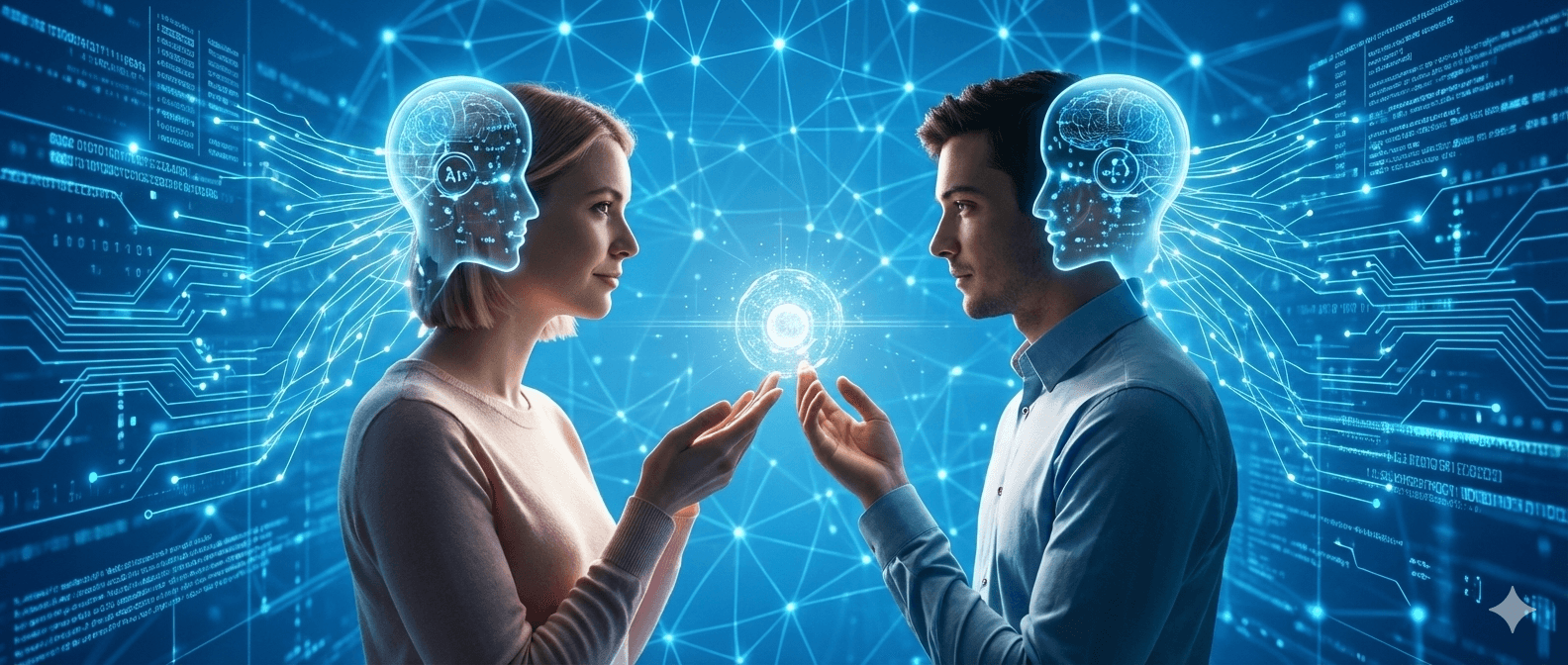
Event professionals aren't replacing the "human touch" with machines. They're simply using smarter tools to make that human touch even stronger. From predicting attendee behavior to anticipating individual needs, AI is helping planners focus on what truly matters: creating experiences that feel personal, seamless, and memorable.
Lightening the Workload
What once relied heavily on manual data re-entry, multiple spreadsheets, and dozens of emails is now becoming faster, smarter, and more efficient through automation. AI frees planners from repetitive tasks and gives them more time to focus on creativity, strategy, and crafting memorable experiences.
In this blog, we'll dive into how AI and automation are changing the meetings and events space, the real benefits businesses are already seeing, and why embracing these tools is becoming essential for the future.
Why AI Adoption Is the New Standard
Several factors are driving rapid AI adoption in the events industry:
- Personalized attendee expectations: Meeting professionals are no longer just planners. AI enables attendees to feel they are on a personalized journey rather than following a one-size-fits-all experience.
- Realtime communication: From chatbots to AI agents, attendees expect instant answers about schedules, content, and connections.
- Content creation: AI assists with brainstorming, drafting, editing, and generating visuals such as images and videos.
- Need for data-driven insights: AI-powered analytics help identify trends, generate reports, summarize feedback, and personalize communications.
- Improved networking: AI matchmaking pairs attendees with similar interests or goals.
- AI combined with automation: Automation reduces staffing needs and speeds up workflows.
- Competitive advantage: Organizers using AI and automation can reduce workloads, increase efficiency, and cut costs.
Challenges & Things to Be Careful About
When using AI at events, the main watchouts include data privacy risks, inaccurate or generic content, and losing the essential human touch.
Data, Privacy, and Security
- Protect confidential data: Be cautious with sensitive attendee information.
- Ensure compliance: Follow regulations such as GDPR or CCPA.
- Beware of bad data: Poor input leads to poor output.
- Fact-check everything: AI can hallucinate facts.
- Avoid generic content: Always refine AI output with a human voice.
- Establish clear goals and guardrails: Define use cases and responsibilities.
- Train your staff: Proper training ensures safe and effective use.
Mini Case Study: Before AI vs After AI
Event Type: Mid-Sized Tech Conference (1,000 attendees)
Before Using AI
- Long queues at registration
- Generic email marketing
- Manual schedule creation
- Confusion about session popularity
- 500+ attendee questions handled manually
- Post-event report took a week to prepare
After Using AI Tools
- QR-based check-in reduced waiting time by 70%
- Chatbot answered 65% of attendee questions
- Predictive analytics highlighted trending sessions
Outcome
Higher attendee satisfaction, reduced workload, better planning accuracy, and improved ROI.
Future Trends
- AI-generated agendas and content
- Hyper-personalised event apps
- Smart matchmaking for networking
- Emotion analytics to measure engagement
- VR/AR experiences and venue tours
- End-to-end automated event management
- AI-driven sustainability tracking
Events of the future will be immersive, data-driven, and deeply personalised.
Challenges & Ethical Concerns
- Ensuring data privacy
- Avoiding bias in AI-generated recommendations
- Maintaining human interaction
- Preventing over-reliance on automation
- Being transparent about data collection
Key Takeaways
- AI makes event planning faster and more accurate
- Attendee experiences become personalised
- Marketing becomes smarter and cost-efficient
- Sustainability improves with better predictions
- Human creativity remains the heart of events
- Ethical use of AI is very important
- Future events will be hybrid, smart, and data-driven
Conclusion
AI and automation are not replacing event professionals. Instead, they are empowering them to focus on creating memorable experiences, building connections, and bringing events to life.
The future of meetings and events lies in the balance between human creativity and smart technology.